
expo.lab
Artefacto
A/r/tografía Audiovisual e Inteligencia Artificial
A/R/TOGRÁFICA'12
Expo.LAB.
Sala Taller
Palacio de los Condes de Gabia Del 3 al 30 de julio de 2026
de lunes a Sábado
10:00h a 14:00h / 19:00h a 21:00h
Domingo
10:00h a 14:00h
Inauguración:
3 de julio de 2026 a las 19:00h
Produce:
Universidad de Granada
PID2023-151745OB-I00 / 10.13039/901100011033
PROYECTO DE GENERACIÓN DE CONOCIMIENTO.
A/r/tografía, métodos de investigación educativa basada en artes visuales e inteligencia artificial para la innovación e inclusión social
MINISTERIO DE CIENCIA, INNOVACIÓN Y UNIVERSIDADES, AGENCIA ESTATAL DE INVESTIGACIÓN y FEDER, UE (AEI).
PID24-115/2025
PROYECTO DE INNOVACIÓN DOCENTE
Laboratorios de a/r/tografía Visual para la implementación de narrativas audiovisuales como instrumento para la enseñanza y aprendizaje de las artes en formación docente.
VICERRECTORADO DE CALIDAD, INNOVACIÓN DOCENTE Y ESTUDIOS
DE GRADO.
ARTEFACTO
A/R/TOGRAFÍA AUDIOVISUAL E INTELIGENCIA ARTIFICIAL
Presentación / HOJA DE SALA
Ángel García Roldán
Universidad de Granada
Las imágenes nunca han sido únicamente una representación del mundo. También construyen memoria, organizan relatos y determinan la forma en que comprendemos nuestra propia historia. Durante más de un siglo, la fotografía y el cine han desempeñado esa función documental. Hoy, la aparición de la inteligencia artificial vuelve a situar esa capacidad en el centro del debate, planteando nuevas preguntas sobre la relación entre imagen, verdad y ficción.
ARTEFACTO. A/r/tografía Audiovisual e Inteligencia Artificial reúne diez investigaciones artísticas desarrolladas desde la A/r/tografía audiovisual que utilizan las tecnologías generativas como herramientas para explorar el patrimonio, el archivo, la memoria y las posibilidades narrativas contenidas en las imágenes. La exposición no pretende mostrar la inteligencia artificial como un fin en sí mismo, sino como un medio para ampliar los procesos de investigación y creación audiovisual.
Cada una de las obras parte de materiales, documentos o referentes culturales concretos —fotografías históricas, películas de archivo, monumentos patrimoniales, relatos fundacionales, iconografías o experiencias personales— para proponer nuevas formas de observar aquello que las imágenes contienen y aquello que, quizá, nunca llegaron a registrar. Entre el documento y la imaginación, las piezas exploran cómo se construye la credibilidad de los relatos visuales y cómo las tecnologías contemporáneas transforman nuestra relación con el pasado.
Concebida como Expo.Lab, la muestra entiende la exposición como un espacio de experimentación donde los procesos de investigación adquieren la misma relevancia que las obras terminadas. El visitante recorre un conjunto de ensayos audiovisuales, instalaciones y proyectos visuales que convierten la creación artística en una forma de producción de conocimiento, situando la práctica artística, la investigación universitaria y la educación en un mismo espacio de diálogo.
La exposición constituye el resultado de la Residencia Laboratorio titulada Inteligencia Artificial, Narrativas y Desdobles A/r/tográficos, desarrollada con la participación de la artista residente Sarah Crevillén, y forma parte de la programación de la 12ª edición de A/R/TOGRÁFICA Muestra Internacional de Videonarración. Asimismo, esta muestra se inscribe en el proyecto de investigación «A/r/tografía, métodos de investigación educativa basada en artes visuales e inteligencia artificial para la innovación e inclusión social» (PID2023-151745OB-I00) y en el Proyecto de Innovación Docente «Laboratorios de A/r/tografía Audiovisual en la formación en Educación Artística» (PID25-189), consolidando una línea de trabajo que integra investigación, creación y transferencia de conocimiento en torno a las imágenes contemporáneas.
Más que ofrecer respuestas, ARTEFACTO invita a recorrer un territorio de preguntas. ¿Qué parte de una imagen pertenece al documento y cuál a la narración? ¿Cómo cambia nuestra mirada cuando una inteligencia artificial participa en la construcción de un relato visual? ¿Qué nuevas formas de conocimiento pueden surgir cuando el arte convierte estas tecnologías en objeto de investigación? ¿Puede una imagen contener el tiempo que nunca llegó a registrar?
The ARQUETŸPE exhibition is a travelling inter-university and international exhibition that proposes a critical reflection on children’s narratives and their influence on the construction of identities during childhood. The project emerged from a collaboration between the Faculty of Education of the University of Murcia, the Faculty of Education Sciences of the University of Granada, the Faculty of Fine Arts of the University of Granada, and the Faculty of Fine Arts of the University of Bari (Italy), establishing a dialogue between education, visual arts, and contemporary pedagogies.
The exhibition will open in Granada at the Palacio del Almirante, with the support of La Madraza – Centre for Contemporary Culture and the Vice-Rectorate for University Extension of the University of Granada. Subsequently, ARQUETŸPE will travel to venues in Murcia and Bari throughout the 2025–2026 academic year, consolidating an international network of academic and artistic collaboration.
The exhibition forms part of the Official Programme of A/R/TOGRÁFICA, 12th Edition, within the thematic section Heritage and Archetypes, reinforcing its place within a context of contemporary artistic research and critical reflection on inherited cultural imaginaries.
ARQUETŸPE addresses the narrative deconstruction of archetypes found in children’s literature, traditionally associated with rigid identities, gender stereotypes, and limited representations of social and cultural diversity. Through photographic and audiovisual works, the exhibition questions the classical narrative models that have contributed to perpetuating normative roles and proposes new forms of representation that are more inclusive, plural, and aligned with contemporary social realities.
The exhibition is the outcome of a teaching innovation project developed within the field of Higher Education, particularly in degree programmes related to the training of future teachers and artists. Drawing on an a/r/tographic methodology that integrates artistic practice, research, and teaching, students have worked on reinterpreting children’s characters and narratives through visual creation processes that connect educational theory and practice.
The project encourages critical analysis of the images and narratives that shape children’s imaginaries, inviting us to reconsider how these representations influence the construction of identities from an early age. At the same time, it promotes the creation of alternative visual narratives incorporating values of equality, cultural diversity, and social justice.
Beyond its exhibition dimension, ARQUETŸPE emphasizes its educational and social impact, contributing to the training of professionals capable of designing pedagogical approaches that are sensitive to diversity and committed to more inclusive education. The exhibition is thus conceived as a meeting point between art, education, and critical thinking, open to dialogue with the public and to debate on how narratives intended for children are constructed and transmitted.
CARTEL
RRSS
EXTENSIÓN
FESTIVAL DE CORTOS
CINE DE CANENA
PRENSA
16/07/2026
Xabier Molinet Medina
Jesica María Moreno García
María Toledo González
Sarah Crevillén.


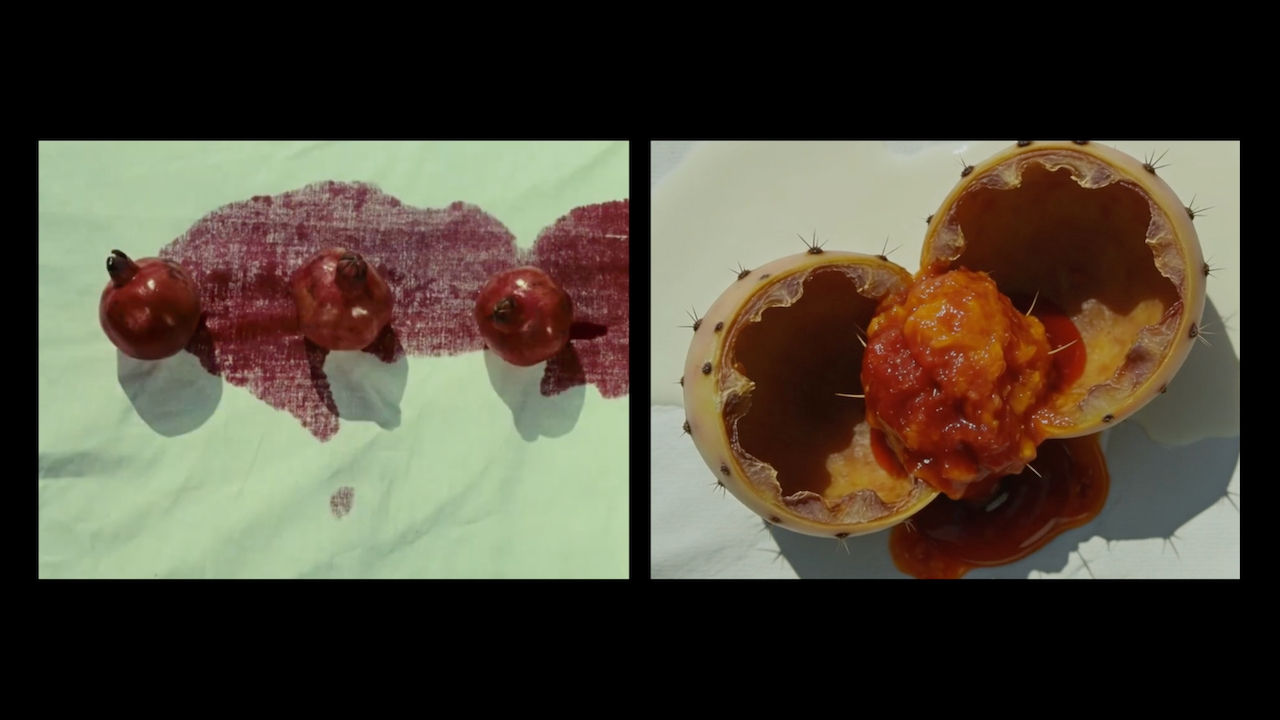
DOCUMENTACIÓN Sala Taller. Palacio de los Condes de Gabia
Fotografía: Ángel García Roldán
Artefacto. A/r/tografía Audiovisual e IA. Expo.LAB
Artefacto. A/r/tografía Audiovisual e IA. Expo.LAB


EXPEDIENTE Nº3. ENDURANCE.

LA POSTAL BERLINESA

ICON
OBRAS AUDIOVISUALES de la exposición